8 Best Cottage Garden Ideas How to Create a Cottage Garden at Home
Table Of Content

(But be careful not to be too regimented with this or you’ll lose the informal cottage garden look). Cottage gardens have become exceptionally popular due to their Old World charm and whimsical beauty. They are elegant spaces that overflow with varieties of flowers, herbs, shrubs, and décor. A cottage garden is hand-crafted by the gardener, making it something truly special. Your aim is for the plants to appear to have planted themselves. ‘Plan the position of your big permanent plants, so your trees, roses and shrubs, first.
The Right Landscaping Added Instant Charm To This New Birmingham Home - Southern Living
The Right Landscaping Added Instant Charm To This New Birmingham Home.
Posted: Sun, 24 Sep 2023 07:00:00 GMT [source]
Create a tucked-away retreat in your cottage garden
Shrubs, like lilacs, give the space a structural backbone as well. Evergreen shrubs can provide year-round interest and an appealing backdrop for flowers. A cottage garden should be located in a sunny area, usually along a walkway towards the front entrance and embellished with a rustic-looking gate or arbor of some kind.
Cottage garden ideas
Weeds can compete with your plants for water and nutrients, so it is vital to keep them under control. When weeding, be careful not to damage your plants’ roots; instead, focus on removing the weed’s leaves and stems. There’s nothing more gratifying than a welcome retreat from today’s hectic world.
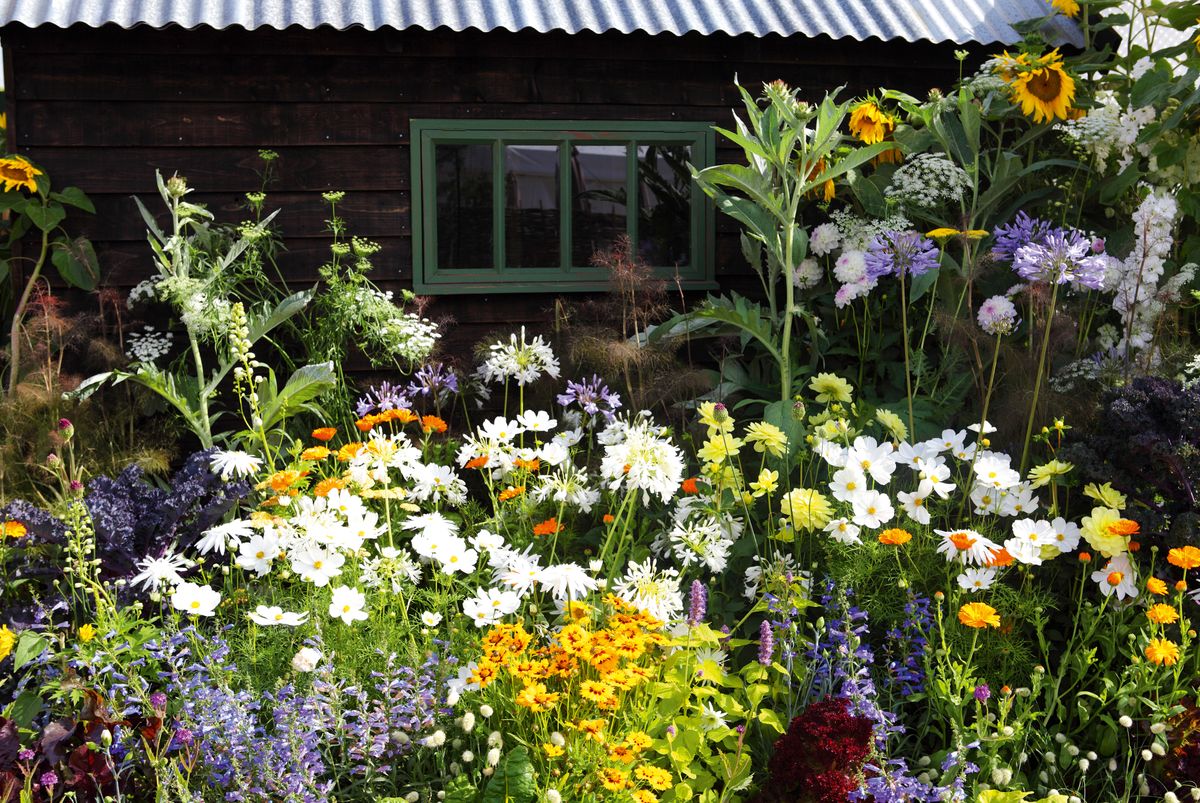
Sign up to the Homes & Gardens newsletter
This softens the hard landscaping so it fades into the background rather than being the dominant force as is often the case with more contemporary gardens. As well as growing upwards, explore the possibilities of growing plants overhead in a cottage garden, for a truly immersive experience. ‘For millennia we have used climbing plants to green a surface or espaliered fruit against a warm wall. It’s really the opposite of planting in that you either leave a plant in that’s found its own way to you or you take it out,' says Claire Masset, author of Cottage Gardens. If you are looking for plants that do not need a lot of attention to thrive, then the phlox plant is a great option that will do well in well-drained soil and full sun.
The cottage garden design is an economical style as a lot of the flowers can be grown from seed, such as inexpensive annuals. You can seed swap with friends and neighbors and also take cuttings to grow on in your own garden. Meandering garden paths made of stone, old bricks, gravel or grass offer a visual relief to the exuberance of the planting in a larger cottage garden design.
Cottage garden ideas: Inspiring pictures and ways to transform your backyard whatever its size - Yahoo News
Cottage garden ideas: Inspiring pictures and ways to transform your backyard whatever its size.
Posted: Wed, 07 Jun 2023 07:00:00 GMT [source]
For the cottage garden look, a natural picket fence made of wood acknowledges tradition. The English cottage garden has been around for at least two centuries. It started out as a practical enclosed space to grow fruits and vegetables. Interestingly enough the word ‘garden’ originates from the ancient Germanic peoples and means “girded” or enclosed space.
How to plan a cottage garden – from choosing a layout to picking plants
If you are planting bareroot tubers, they do better if planted in the fall. Peony roots need to winter chill in order for the plant to set bud. For this reason, plant the tubers only 2″ deep and do not cover with mulch over winter.
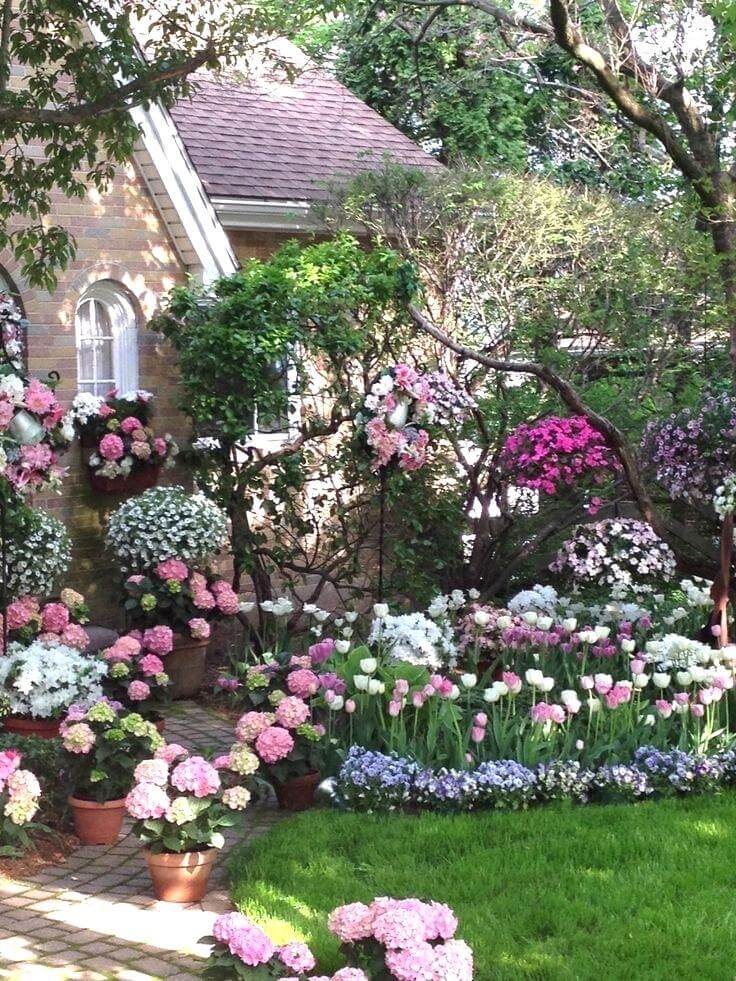
Create Cottage Style in the Shade
Every cottage garden needs some white to provide contrast with the colors of other perennials and so that the garden glows at night. Monkshood is an easy to grow, tall, back of the border plant, that bears hooded blue flowers. Which is why I often use cottage garden perennials and biennials when I’m planting garden beds.
Suitable Home Styles
However, if you want an impressive cottage garden it is imperative to make sure you pull weeds and quack-grasses regularly. I think more cottage gardens are unsuccessful by neglecting this one task than any other factor. Read about our favorite cottage garden perennials and biennials.
If you are more interested in a functional garden, you will need to choose plants that serve a specific purpose. For example, if you want to grow your vegetables and fruits, you must select varieties that suit your growing conditions. If you live in a cooler climate, cucumbers, tomatoes, and squash may not be the best choices for your garden; root vegetables like potatoes and carrots would be better suited to these conditions.
Grassy areas should be minimized, with planting emphasis focused on herbaceous flowers and the like rather than trees and shrubs. Cottage gardens contain a diversity of plants, delighting all the senses and creating a natural, relaxed atmosphere. There are many textural plants available that are pleasing to touch, such as the soft, furry leaves of lamb’s ear. Typical items might include a watering can or old garden tools, depending on the style of the home and other structures. The addition of casual seating will also help to create a welcoming atmosphere.
A few vertical notes from plants like this will lift a run of the mill border and turn it into something special. ‘Borage flowers refill their nectaries every couple of minutes so are perfect for bees and other pollinators. The flowers can be added to Pimms too,’ concludes Ana Mari Bull. A meadow area doesn’t have to be big – you can sow seed in neglected corners or even large containers, as long as the area gets good sunlight.
Use a restrained hand so the pieces accent rather than overwhelm the space. You can buy a soil test kit at your local nursery or home improvement store or have your soil tested by a professional. Once you know the pH level of your soil, you can make any necessary adjustments to ensure that it is within the ideal range for the plants you want to grow.
A meandering walkway is better than a straight one because it will force passersby to slow down and see more of the cottage garden. The English invented the cottage garden, probably in the 1400s when even the humblest plots of land were pressed into service to produce food for families. Every inch of earth counted—with herbs, fruit trees, and flowers (which attracted bees to pollinate crops) jammed close together. An antique wooden wheelbarrow overflowing with pots of blooms is another traditional accessory that adds ambience to the cottage garden.
Comments
Post a Comment